I started out writing software and kept getting pulled toward a different question: how do people actually change? Everything since has been that one question, asked in bigger rooms.
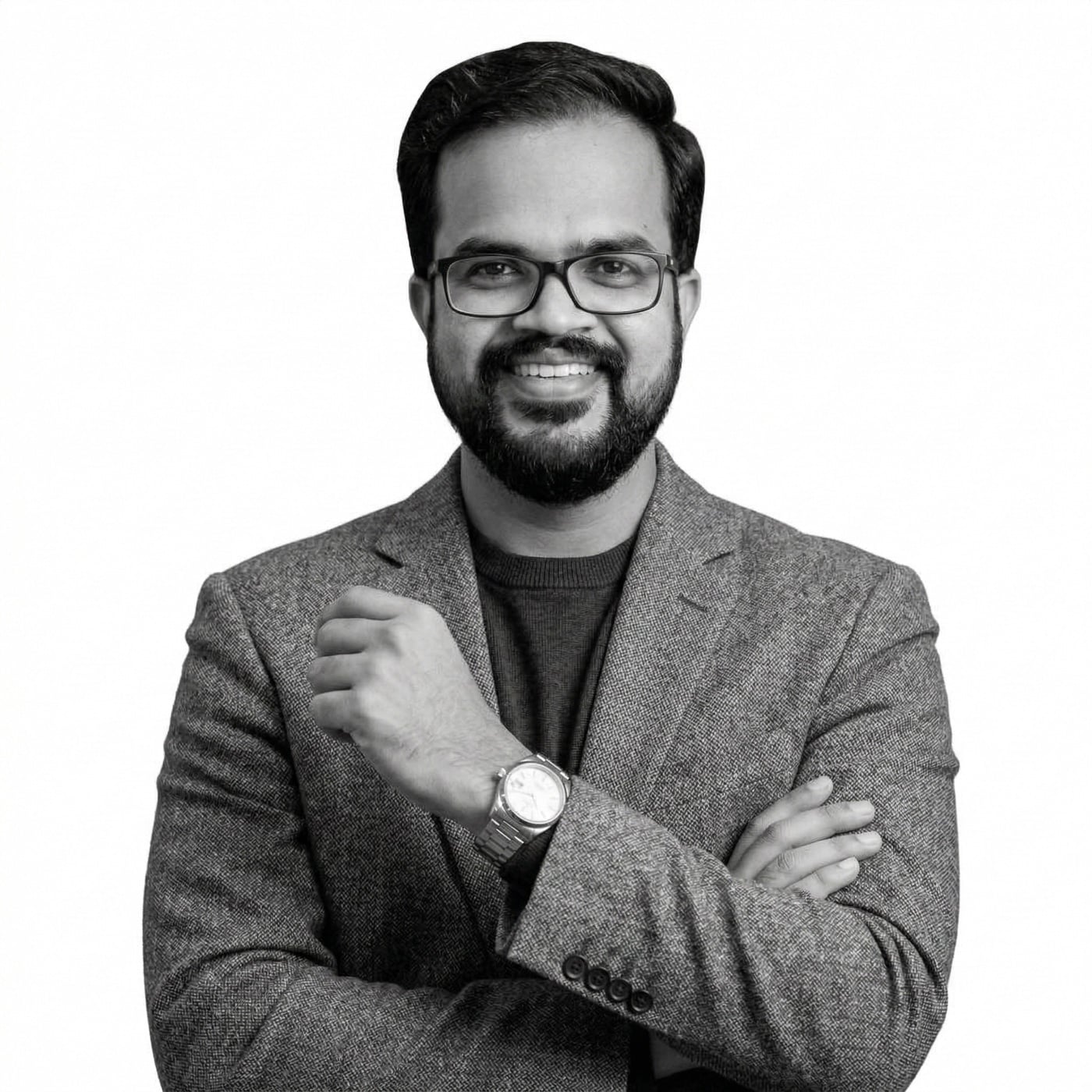
Amit Kumar Soni · Human-Centred AI
Yokohama, March 2011.

L&T sent me to Japan to design e-learning for Chiyoda Corporation. I loved the work and I was lonely. Then the earthquake came. The trains stopped, the city went quiet, and I walked home through the night.
That week I picked up a book I had almost ignored and found one line I have never forgotten:
“Learn to be silent. If you cannot go outside, go inside.”Robin Sharma, Who Will Cry When You Die?
I started to meditate, and I never really stopped. Japan gave me two things: the work I would do for the rest of my life, and the practice that would shape how I did it.
AI does not fail because of code. It fails because of culture. The tools work. The people are not ready. So before you scale the machine, prepare the mind.
Most rollouts
- Deploy the tools first
- Train on features
- Measure adoption rates
- Treat change as a checklist
Mind first
- Prepare the people first
- Train attention and judgment
- Measure lasting change
- Treat change as a practice
Not a career ladder. An evolution.
Six chapters, one thread: how people learn and change when the tools around them keep changing.
The Technologist
I built systems, and got curious about the people using them.
I started as a software engineer at Larsen & Toubro. I was good at logic and better at making things people could actually use. Web design pulled me toward instructional design, and toward a job I hadn't known existed: teaching people through software.
- Where
- Larsen & Toubro, Vadodara
- What shifted
- From writing code to designing how people learn.
The Learning Architect
Learning stopped being a side interest and became the work.
In Japan I designed e-learning for a global engineering company, and lived through the earthquake that taught me stillness. Back in India I built my first product, an employee engagement portal on Moodle, then moved through Appirio as a change enablement consultant and Lupin, enabling teams with technology and e-learning.
- Where
- Chiyoda in Yokohama, then L&T, Appirio and Lupin
- What shifted
- From building tools to designing change.
The Coach
I stopped designing content and started working with people.
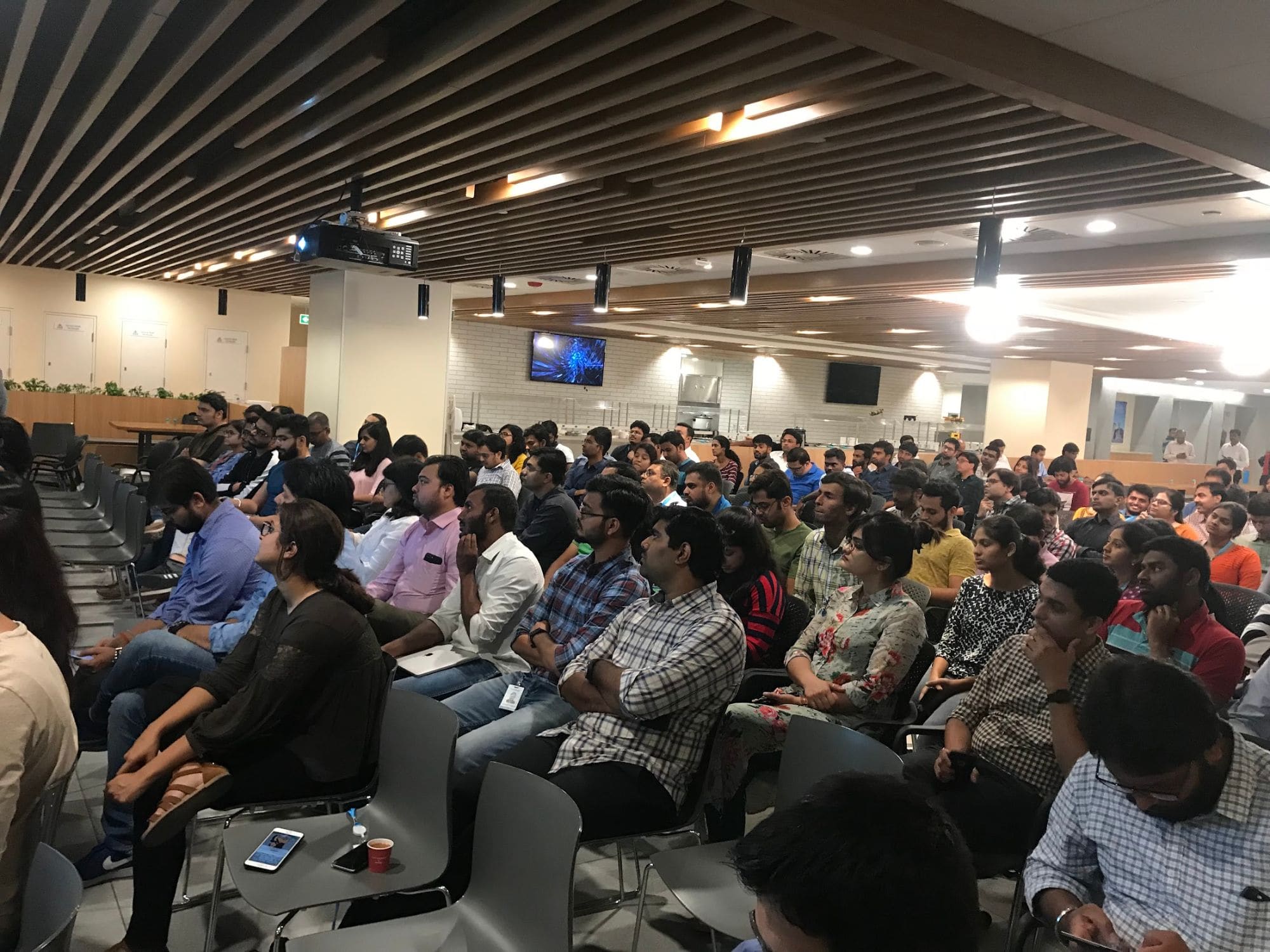
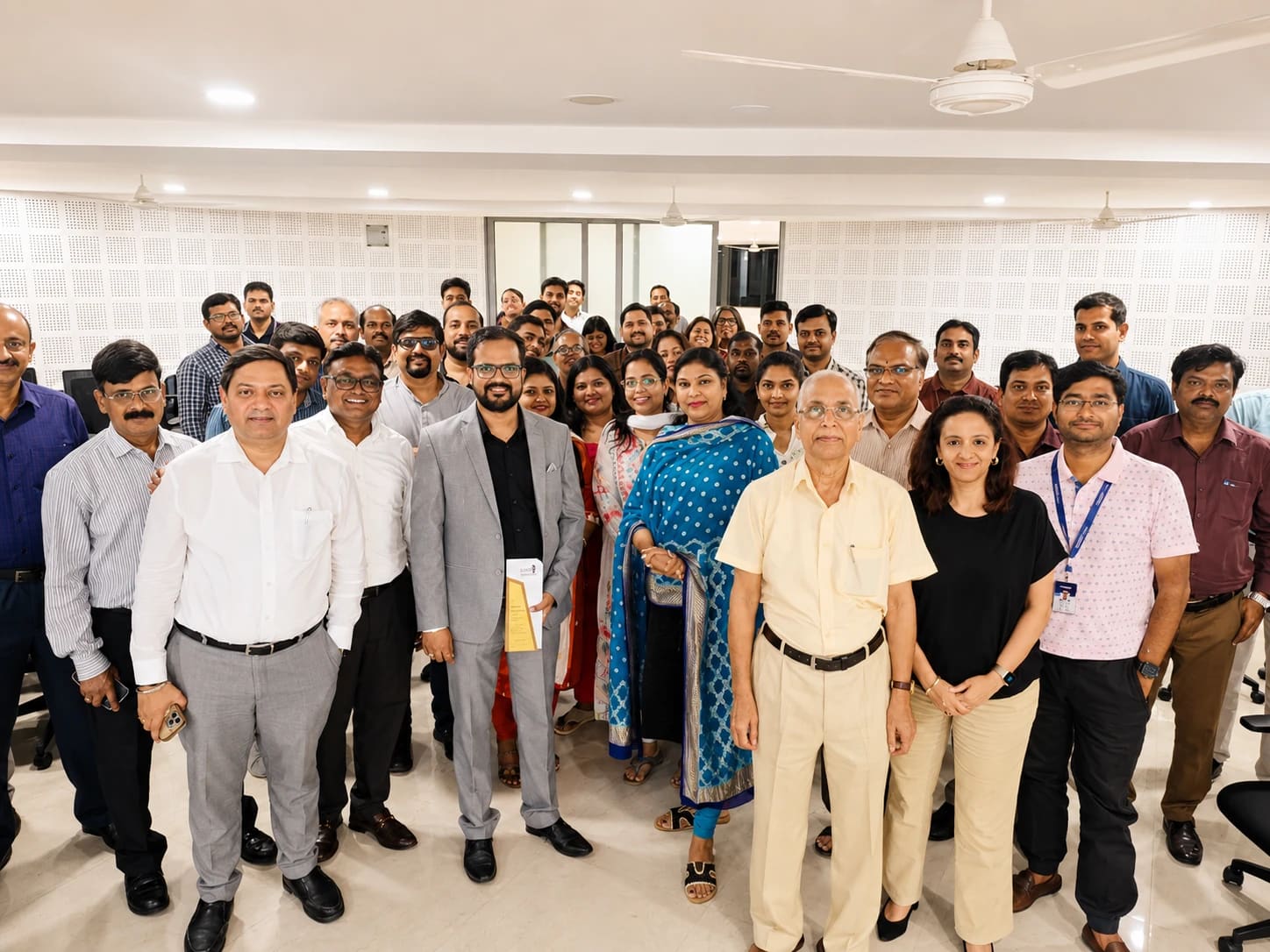
At Salesforce I led technical enablement and leadership development across India and APAC. I trained as an ICF coach and began teaching mindfulness at work, blending modern science, ancient practice, music and positive psychology. Learner engagement rose 30% through AI-powered analytics, and I saw how much sturdier change becomes when the mind is prepared first.
- Where
- Salesforce
- What shifted
- From programmes to people, one leader at a time.
The Leader
Leadership at scale, with AI on the horizon.
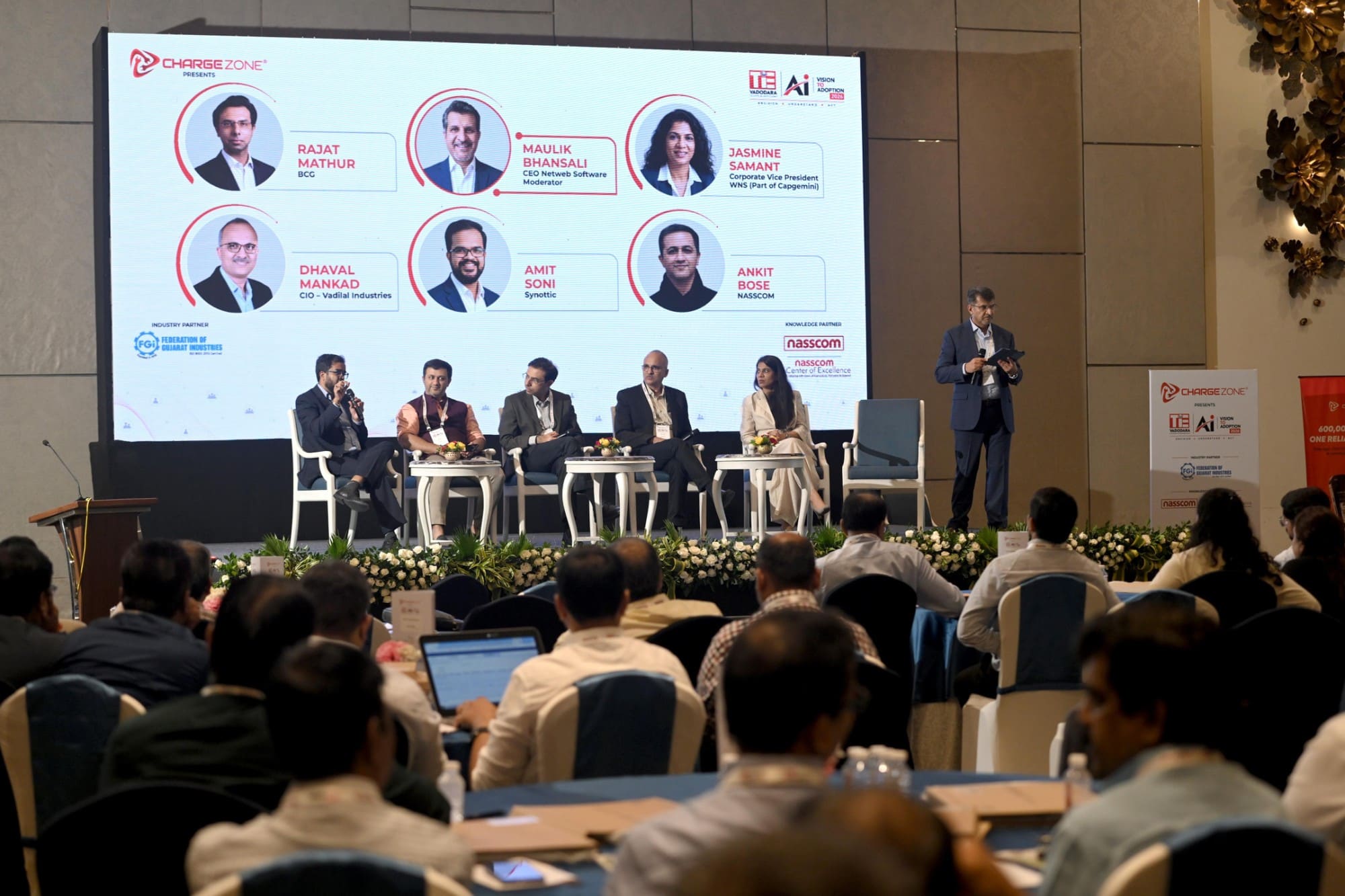
As Head of L&D for APAC at Expedia, I led technology and AI capability building: pathways in AI, ML and data science for 17,000+ technology professionals, alongside executive coaching for senior leaders. Engineering engagement rose 30%.
- Where
- Expedia Group
- What shifted
- From leading programmes to leading a capability strategy.
The AI Transformation Leader
Where the pattern became impossible to ignore.
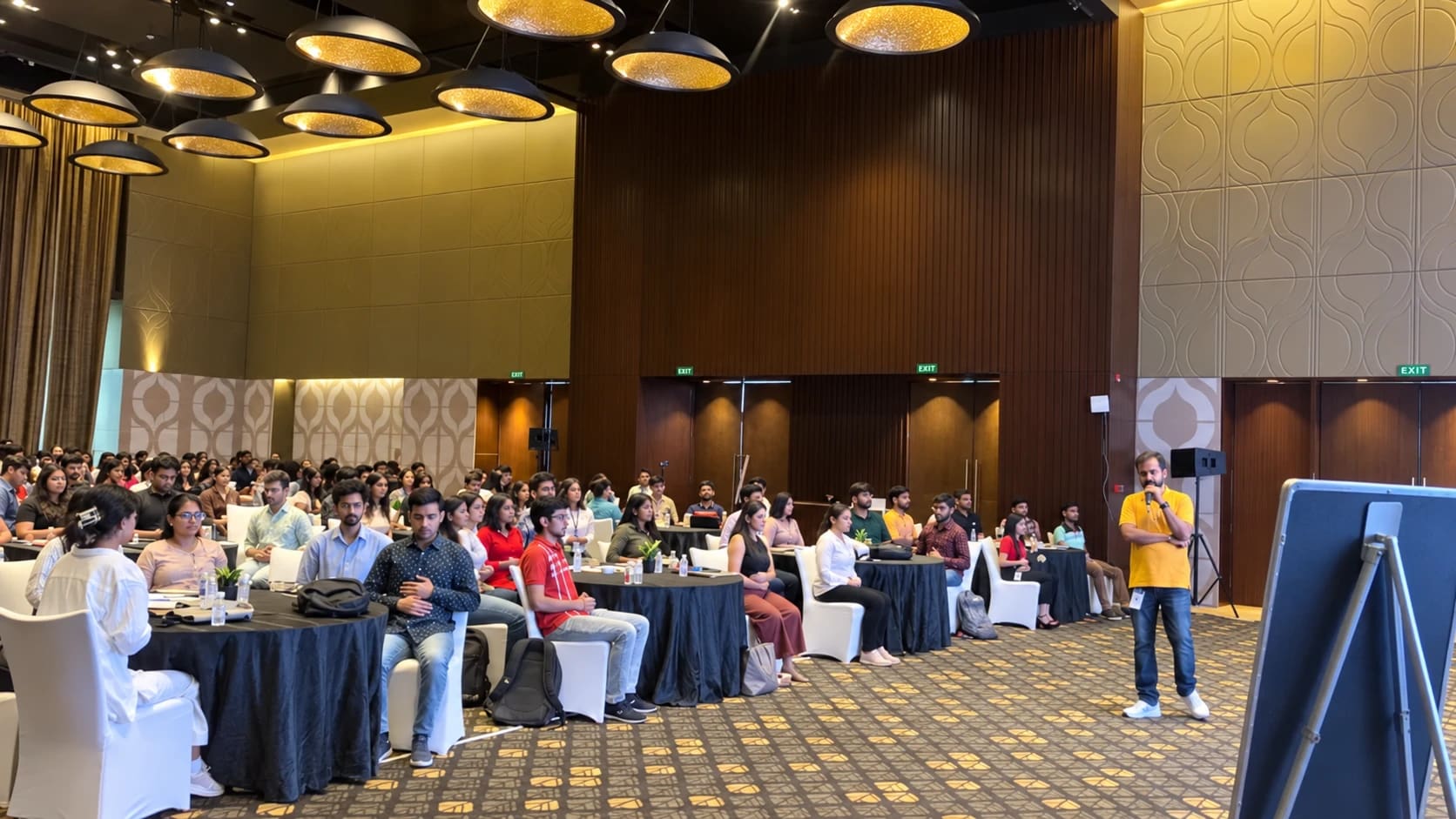
At PepsiCo I led Global Learning Solutions, a team of 60+ across India and Mexico, through the AI-enabled transformation of enterprise learning. With a PG in AI and ML behind me, I could see the same thing in every room: the tools worked, the people were not ready. That gap is what I decided to work on.
- Where
- PepsiCo
- What shifted
- From using AI to asking why people struggle with it.

The Builder
Building the answer, not just describing the problem.
In January 2026 I founded Synottic to help organisations build the capability, trust and systems to scale AI. Around it sit advisory work with Growthspace, hands-on agentic AI projects, a PhD in progress and a book, The Intelligence Mirror.
- Where
- Synottic
- What shifted
- From advising on AI to building with it.
Why these belong together.
AI, neuroscience, leadership and human behaviour look like four fields. In practice they are one problem seen from four sides.
Sets the pace
It changes what work is, and what leaders and teams have to learn next. It is the reason the conversation is urgent.
Any one of them gives you a piece. Together they explain why some organisations adopt AI and others only buy it.
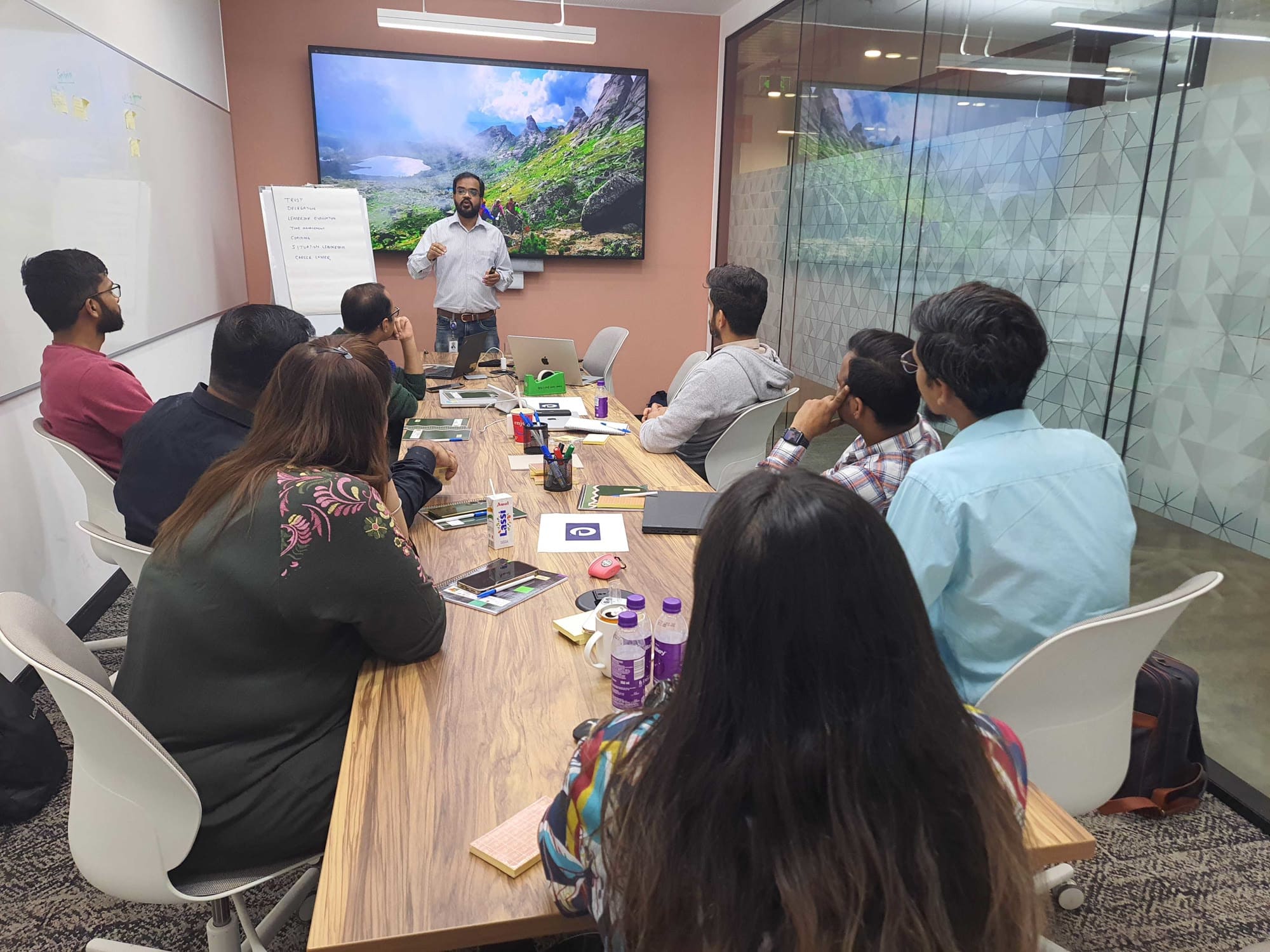
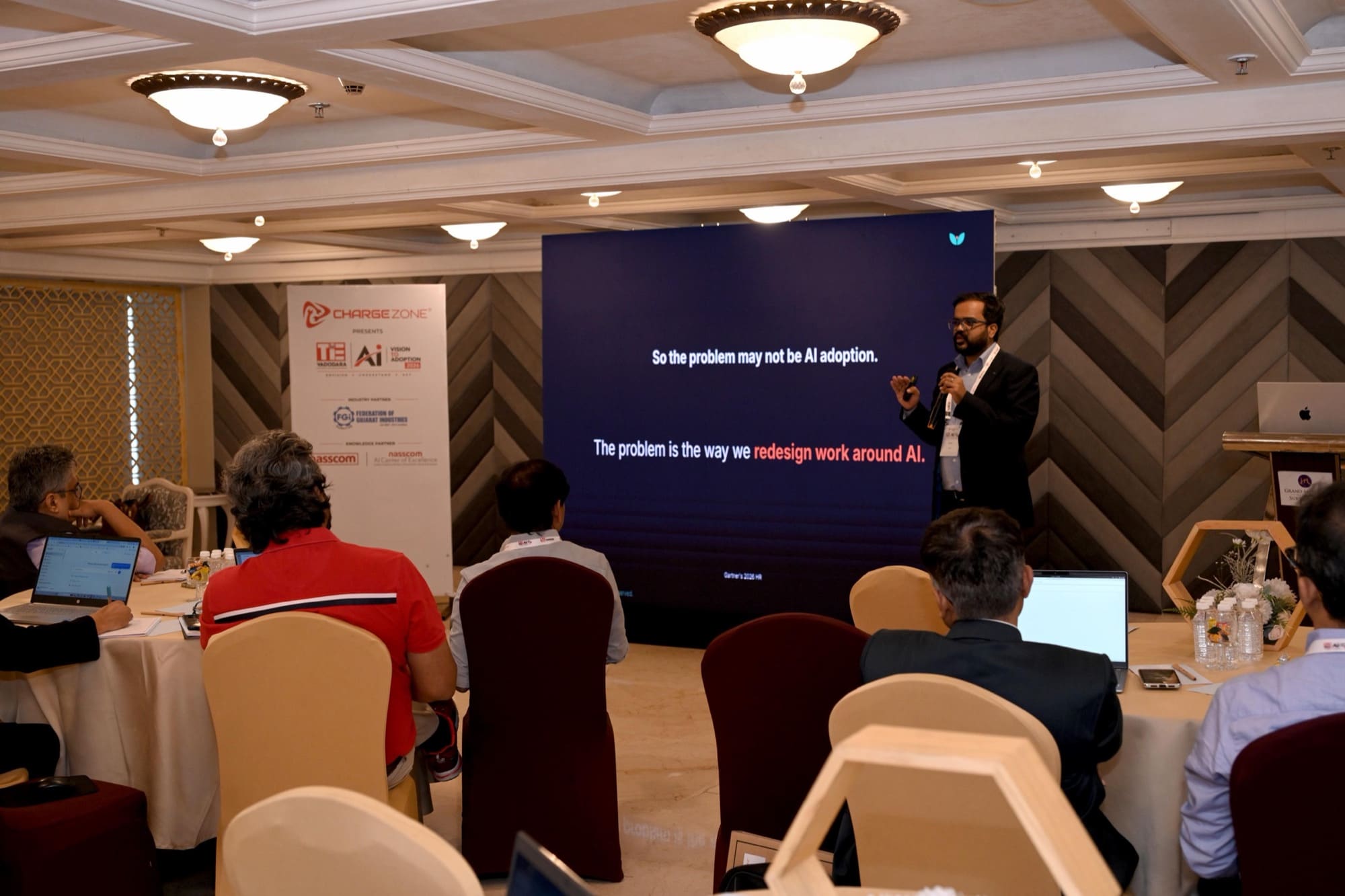
One idea, five audiences.


Proof, after the story.
Academic
- PhD in AI, in progress
- PGP in AI & ML, UT Austin
- MA, Psychology
- XLRI, HR & Training
Coaching & change
- ICF Professional Certified Coach
- Prosci Certified Change Practitioner
- GSDC Certified AI Leadership Mastery Trainer
Recognition
- AI Learning Leader of the Year 2025
- Top 5 L&D Heads, Analytics Vidhya
- Featured in ETHRWorld and Times of India
Published
- The Intelligence Mirror
- Weekly writing on AI and the human mind
The reach of Amit’s work.
Professionals and teams across leading organisations.




Beyond the résumé.
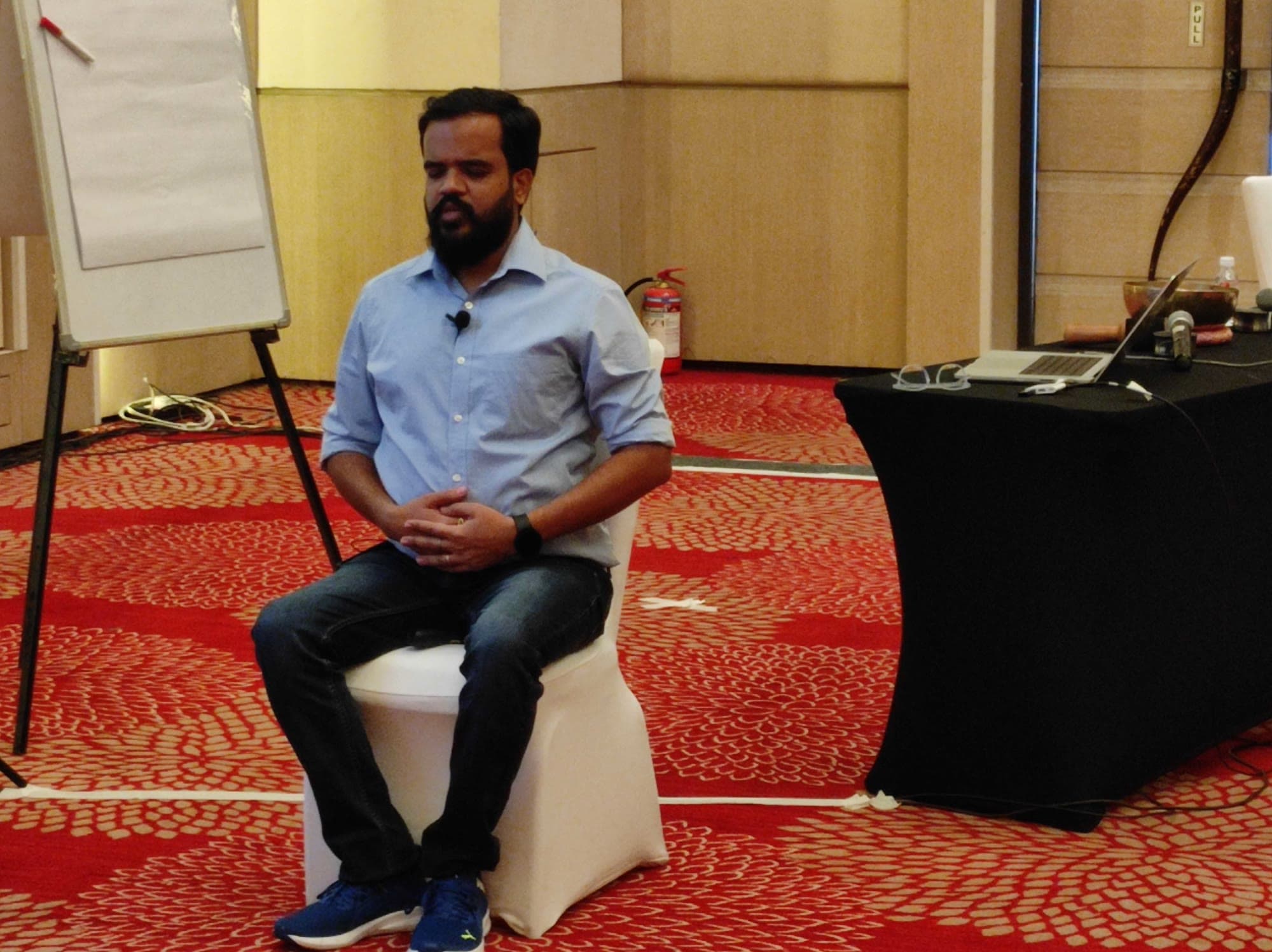
- MorningsMost days start before dawn with an hour of meditation. It looks like the least productive hour of my day and it is the one that matters most.
- CuriosityNeuroscience papers in the morning, older texts in the evening, leadership ideas in between. I read to understand why people do what they do.
- Making thingsAs a child it was sketches and paper craft. Later, software, an engagement portal, courses, and now companies and books.
- PlayGully cricket first, and I never really stopped. Table tennis, long walks and a Mount Fuji climb count too.
- JapanI lived there for a year and a half. I still speak a little Japanese and still bow when I say thank you.
- SundaysSundays belong to family. No calls, no strategy, just being there.
“People who are rich have a lot of money. People who are wealthy have a lot of time. I am building toward wealth.”
Help 5 million people build the confidence to thrive in the age of AI.
Minds first, machines second. That is the whole idea, and the rest of the work is making it practical.